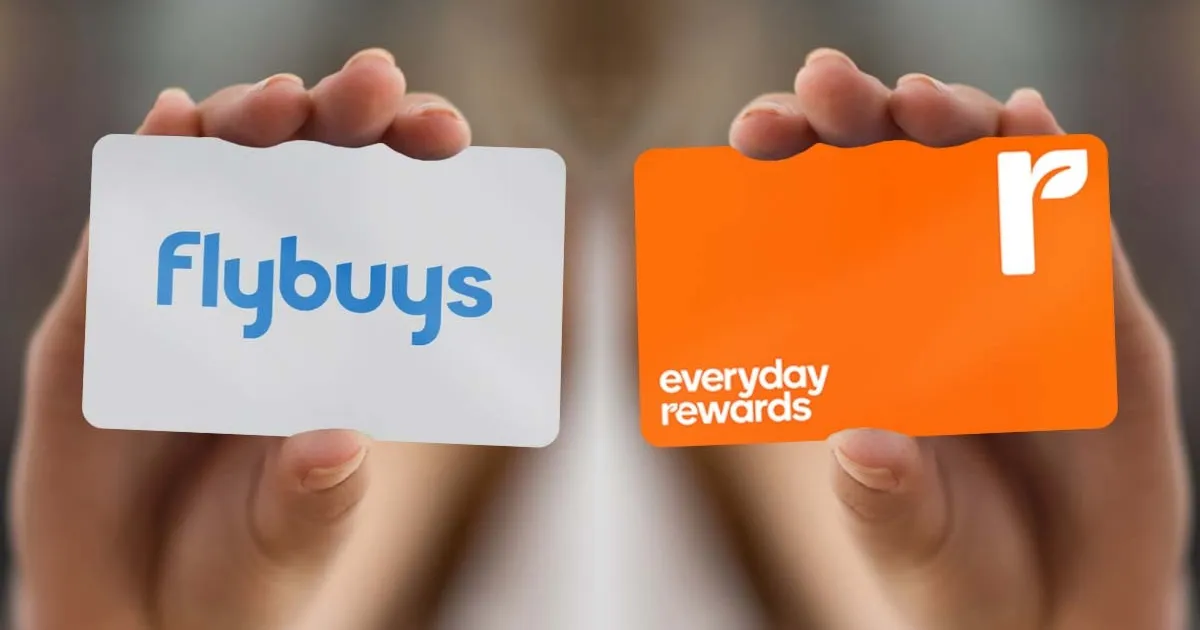
Walk into almost any Australian household and you’ll find a Flybuys or Everyday Rewards account attached to the weekly grocery shop. For Coles and Woolworths, loyalty isn’t an add-on or a campaign, it's baked into how Australians shop, earn, and decide where to spend.
For independent retailers, that dominance can be difficult to compete against. Millions of members, constant promotions, and years of data sit behind Australia’s major supermarket loyalty programs. But their success isn’t just a function of scale. It’s the result of understanding customer behaviour and designing loyalty around it.
Loyalty Works When It’s Effortless
One of the most overlooked strengths of Flybuys and Everyday Rewards is how little effort they demand from customers. Loyalty participation doesn’t feel like an extra step, it's part of the checkout experience. Customers earn points with the tap of a card, rewards are clearly communicated, and value exchange is easy to understand.
That lack of friction matters. The easier it is to earn and track rewards, the more often customers engage. When loyalty fits naturally into the shopping journey, it becomes habitual rather than intentional and habits are where long-term loyalty is built.
Relevance Beats Blanket Discounts Every Time
While points are the foundation, relevance is what keeps customers engaged. Major supermarket programs rarely rely on one-size-fits-all offers. Instead, they use behaviour to shape incentives that feel personal and timely.
This might include:
- Bonus points on categories customers already buy from
- Spend challenges aligned to typical weekly shops
- Targeted rewards designed to nudge behaviour
The result is loyalty that feels considered rather than generic. Customers don’t just see points accumulating, they see offers that reflect how they actually shop.
Frequency Is Where Loyalty Starts to Pay Off
Spend matters, but frequency is the real growth lever. Flybuys and Everyday Rewards are designed to reinforce routine: the weekly shop, the regular top-up, the habit of returning.
By rewarding repeat visits and ongoing engagement, these programs build loyalty that’s difficult to disrupt, even when competitors offer lower prices. Over time, frequency turns loyalty from a promotion into a pattern of behaviour.
For any retailer, encouraging one extra visit per month can often deliver more value than pushing for higher spend in a single transaction.
Why Independent Retailers Are Better Positioned Than They Think
A huge opportunity for independent retailers is building on what’s already successful. The opportunity is data-enabled and community driven.
When a modern loyalty infrastructure is layered onto an already strong local retail model, this helps provide insights to behaviours that already exist and enable retailers to:
- Reward regular customers more consistently
- Understand what drives basket size and frequency
- Run targeted campaigns instead of blanket discounts
- Partner with suppliers to fund more compelling offers
Most importantly, a loyalty program can turn existing customer relationships into measurable growth.
Making enterprise-grade loyalty accessible
Until recently, building a sophisticated loyalty program and customer interface required expensive integrations, long timelines and dedicated technical teams. That reality suited larger organisations and excluded others.
That's changing.
At Slyp, our loyalty platform is designed specifically to give retailers access to the same foundational capabilities the major retailers have long relied on, without the overhead.
With more than 30 POS integrations, our turnkey loyalty solution can be up and running in weeks rather than months or years, allowing retailers to:
- Automatically identify customers at checkout
- Capture transaction-level data without friction
- Launch personalised and supplier-funded offers
- Measure performance in real time
The technology runs quietly in the background, allowing retailers to focus on what they already do best, serving their customers. The difference is those transactions are now supported by insight.
Loyalty as a growth engine, not just a program
What loyalty offers today is a way for retailers to build on their strengths and drive competition in a data-driven market.
It's not about who has the biggest program or the deepest discounts. It’s about who understands their customers best. For retailers willing to treat loyalty as a strategic tool rather than a background system, that understanding can become a powerful competitive advantage.